
Ultimate Guide To Crushed Concrete Products For Construction Use
Learn about the essential crushed concrete products that provide strength and stability for construction and landscaping.
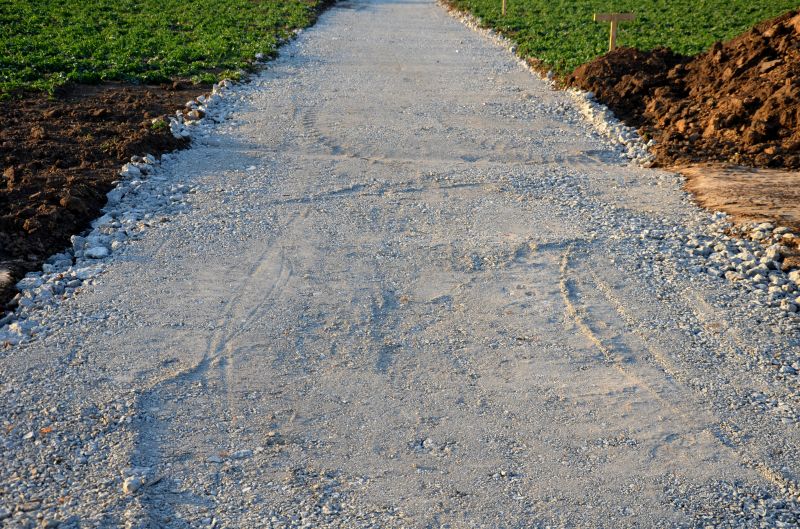 Using crushed concrete as a base or decorative element in various construction projects requires selecting the right products to ensure stability and durability. Crushed concrete is often chosen for its affordability and availability, making it a popular choice for pathways, driveways, and foundation layers. Proper installation depends on the type of materials used, the size of the crushed concrete, and the additional components that support a long-lasting surface.
Top Overall Option
Crushed Concrete Stabilizer
A versatile stabilizer product designed to bind crushed concrete particles together, enhancing compaction and reducing shifting or settling over time. Ideal for driveways, pathways, and foundation bases, it helps create a more solid and durable surface with minimal effort.
Types of Products For Crushed Concrete Installations
Geotextile Fabric
A permeable fabric used underneath crushed concrete to prevent soil mixing and improve stability, especially on uneven or soft ground.
Crushed Concrete Aggregate
Pre-sorted and processed crushed concrete used as a base or sub-base material for various construction projects.
Compacting Equipment
Vibratory plates or rollers that help compact crushed concrete to achieve a firm and level surface.
Edge Restraints
Materials used to contain and define the boundaries of crushed concrete surfaces, preventing spreading or shifting.
Stabilizing Agents
Chemical or mineral-based additives that bind crushed concrete particles, increasing stability and reducing erosion.
Drainage Pipe Systems
Pipe installations that facilitate water runoff beneath crushed concrete surfaces, preventing pooling and erosion.
Leveling Rakes
Tools used to spread and level crushed concrete evenly across the installation area.
Binder Sealants
Sealants that help bind crushed concrete particles for a smoother, more cohesive surface.
Landscape Fabric
A fabric layer placed over soil to prevent weed growth and improve stability beneath crushed concrete.
Reinforcing Mesh
Metal or plastic mesh used to reinforce crushed concrete surfaces, especially in high-traffic areas.
Popular Choices
Widely used as a foundational layer for driveways and walkways, providing a stable base.
Commonly selected for ground stabilization under crushed concrete installations.
Popular for compacting crushed concrete efficiently on small to medium projects.
Frequently chosen to contain crushed concrete and maintain clean edges.
A trending choice for cost-effective and readily available base material.
Often used alongside crushed concrete to improve water runoff and prevent pooling.
A favored tool for spreading and smoothing crushed concrete surfaces.
Popular additive to enhance the cohesion of crushed concrete layers.
Widely used under crushed concrete to suppress weed growth and improve stability.
Often selected to reinforce crushed concrete in high-traffic or load-bearing areas.
When planning a crushed concrete installation, it's important to consider the different types of products that can enhance the stability and longevity of the project. From compacting materials to stabilizers, each product plays a role in ensuring the surface remains solid and functional over time. The selection process involves evaluating the specific needs of the project, such as load-bearing requirements, drainage considerations, and aesthetic preferences.
In addition to the primary crushed concrete, various accessories and supplementary products are available to improve the installation process. These include geotextile fabrics to prevent mixing with underlying soil, stabilizing agents to bind the materials together, and edge restraints to contain the crushed concrete within designated areas. Proper preparation and the right products can make a significant difference in achieving a smooth, stable surface.
Understanding the available options and their applications can help homeowners and contractors make informed decisions. Whether constructing a new driveway, creating a garden pathway, or reinforcing a foundation, selecting the appropriate products for crushed concrete installations is essential for successful results. Careful consideration of product specifications and compatibility ensures the installation meets the desired performance standards and lasts for years to come.
Key Buying Considerations
- Determine the primary purpose of the crushed concrete installation, such as driveways, pathways, or foundation bases.
- Assess the size and gradation of the crushed concrete to ensure proper compaction and stability.
- Consider whether additional materials like geotextile fabric or stabilizing agents are needed for your project.
- Evaluate the drainage requirements of the area to prevent water pooling and erosion.
- Choose appropriate compaction equipment based on the size and scope of the project.
- Check the compatibility of edge restraints with the overall design and load expectations.
- Review the availability and delivery options for recycled or processed crushed concrete materials.
- Identify if reinforcement materials like mesh or rebar are necessary for added stability.
- Plan for proper site preparation, including soil grading and removal of debris.
- Consider environmental factors such as ground moisture levels that may affect material performance.
- Select products that are easy to handle and install within your skill level or with professional assistance.
- Ensure that the products meet local building codes and standards for safety and performance.
- Factor in the long-term maintenance requirements of the installed surface.
- Compare product reviews and specifications to find reliable and suitable options.
- Estimate the budget, keeping in mind that quality materials can influence overall project longevity.