Optimal Timing for Crushed Concrete Installation
Determining the optimal time for crushed concrete installations depends on various climatic and project-specific factors. Proper timing ensures the durability and stability of the installation, minimizing disruptions and ensuring long-lasting results.
Spring offers moderate temperatures and manageable moisture levels, promoting proper compaction and setting of crushed concrete.
Dry weather and higher temperatures facilitate quicker curing, but excessive heat can cause rapid drying, affecting stability.
Cold temperatures and precipitation can hinder installation processes and compromise the integrity of the crushed concrete if not properly managed.
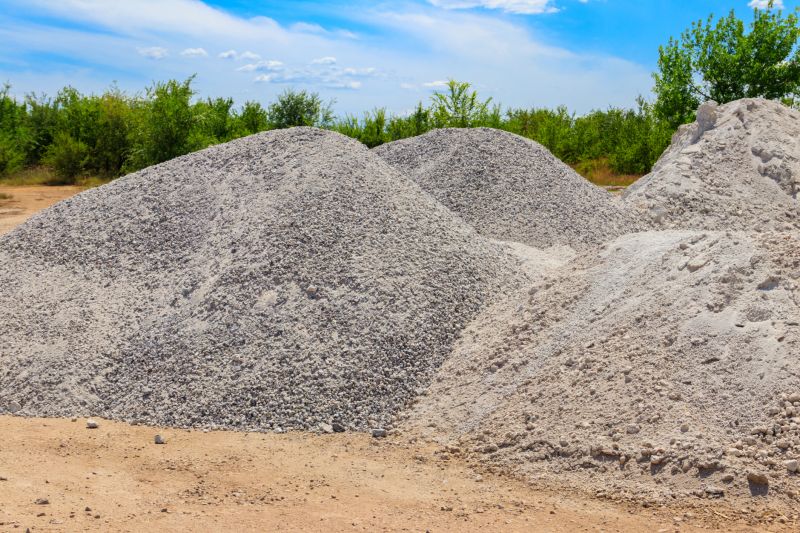
Spring is ideal due to favorable weather conditions that support proper compaction.
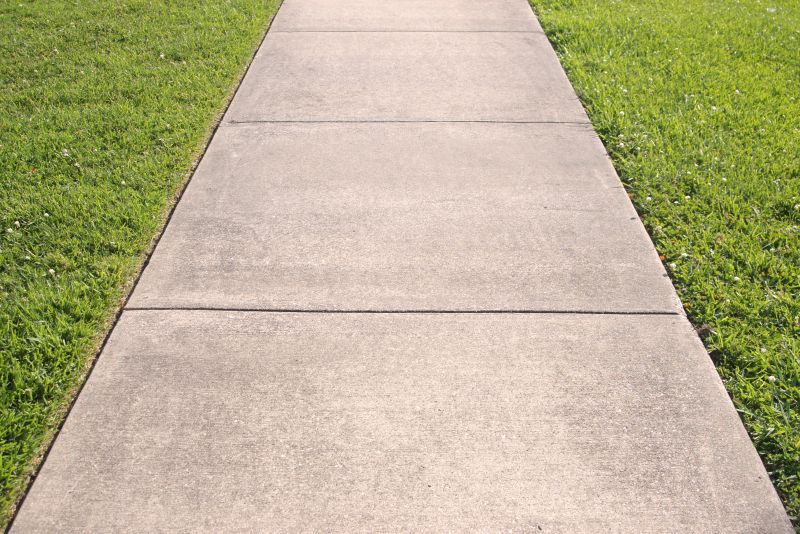
Summer allows for quick installation but requires attention to avoid excessive heat effects.

Cold and wet conditions may delay or complicate installation efforts.

Ways to make Crushed Concrete Installations work in tight or awkward layouts.
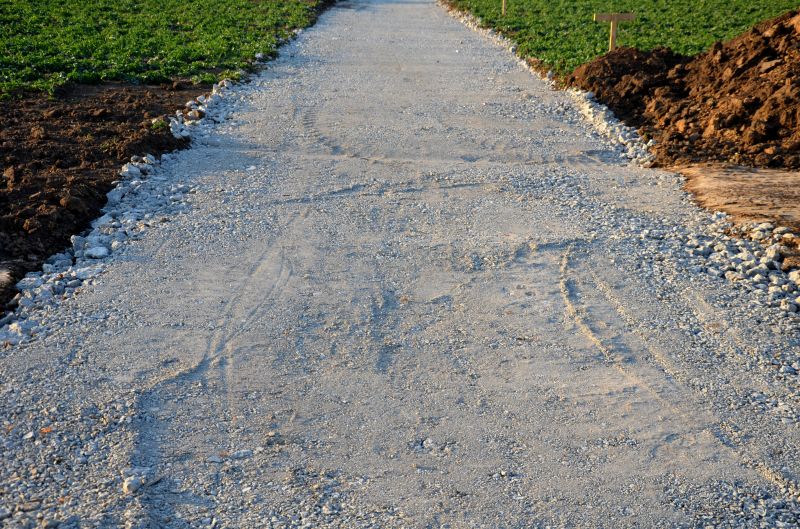
Popular materials for Crushed Concrete Installations and why they hold up over time.

Simple add-ons that improve Crushed Concrete Installations without blowing the budget.
| Season | Optimal Conditions |
|---|---|
| Spring | Moderate temperatures, minimal rainfall, good for compaction |
| Summer | Dry weather, higher temperatures, faster curing |
| Fall | Cooler temperatures, increased precipitation risk |
| Winter | Cold temperatures, potential for snow and ice |
Crushed concrete is a versatile material used extensively for driveways, pathways, and base layers for construction projects. It involves recycling old concrete into smaller pieces, which can then be compacted to form a durable surface. The process reduces waste and provides a cost-effective alternative to new aggregate. Proper timing of installation enhances compaction and longevity, reducing the need for repairs. Statistics show that well-timed crushed concrete installations can last for decades with minimal maintenance, making it a popular choice for long-term projects.
The preparation process involves grading and leveling the area, followed by the placement of crushed concrete in layers. Each layer is compacted to achieve maximum stability. Weather conditions influence the moisture content and compaction quality, which are critical for the material’s performance. Installation during suitable seasons can prevent issues such as erosion, shifting, or cracking, ensuring a stable surface that withstands traffic and weather variations.
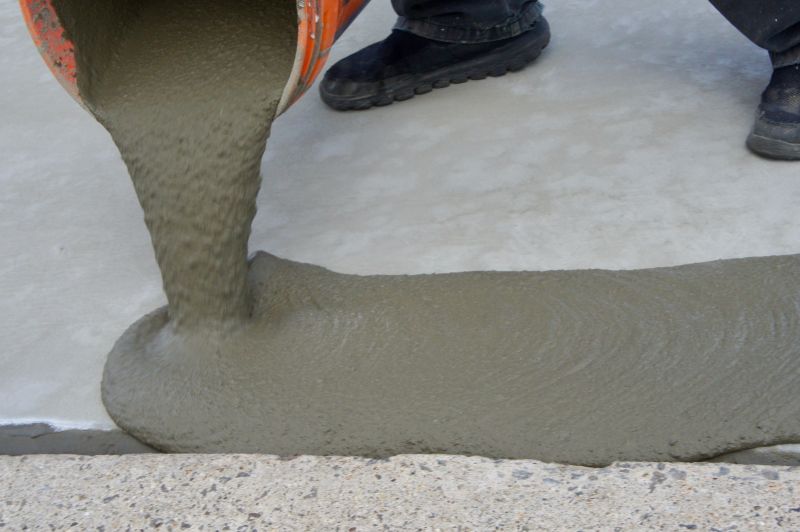
Proper layering and compaction are essential for durable crushed concrete surfaces.
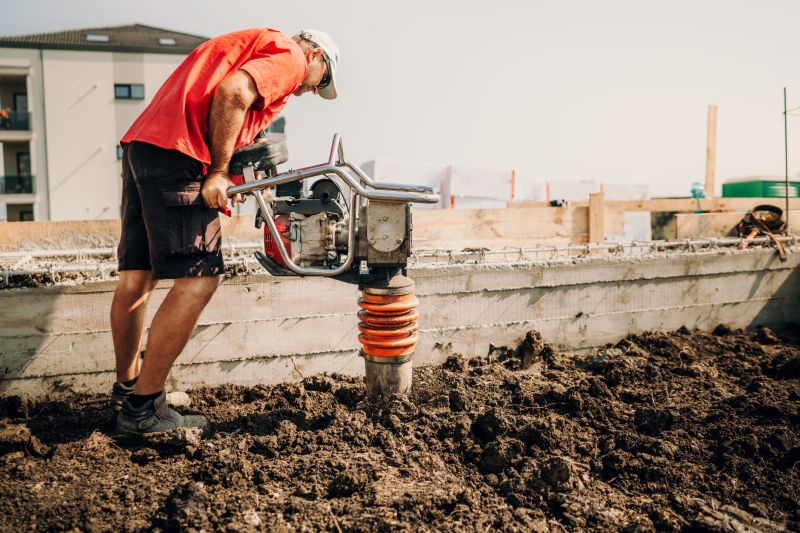
Heavy machinery compacts the material to maximize stability.
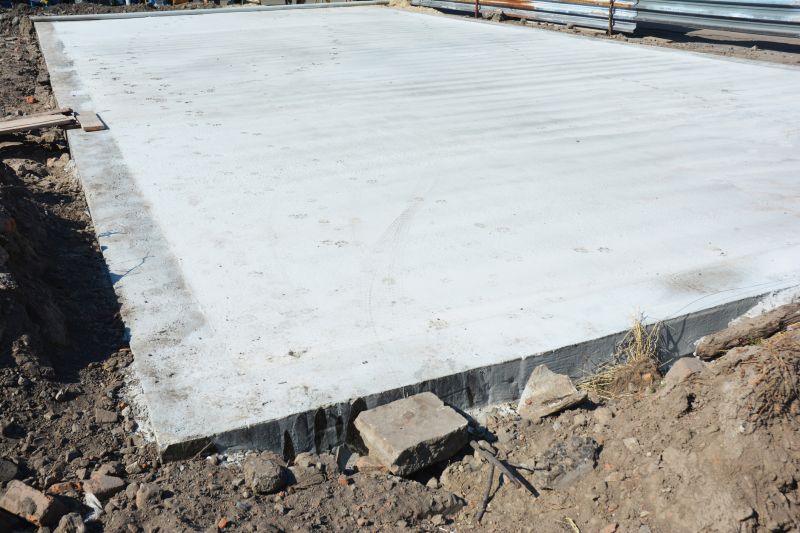
A well-installed crushed concrete surface provides a stable base for various applications.
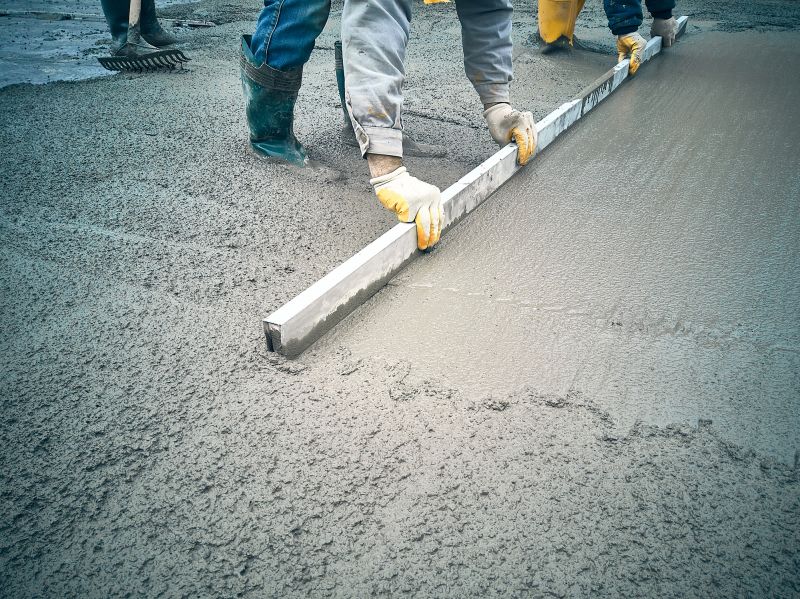
Timing installation with weather conditions enhances project success.
Interested in scheduling a crushed concrete installation? Filling out the contact form can provide tailored information and assistance for your project needs.